
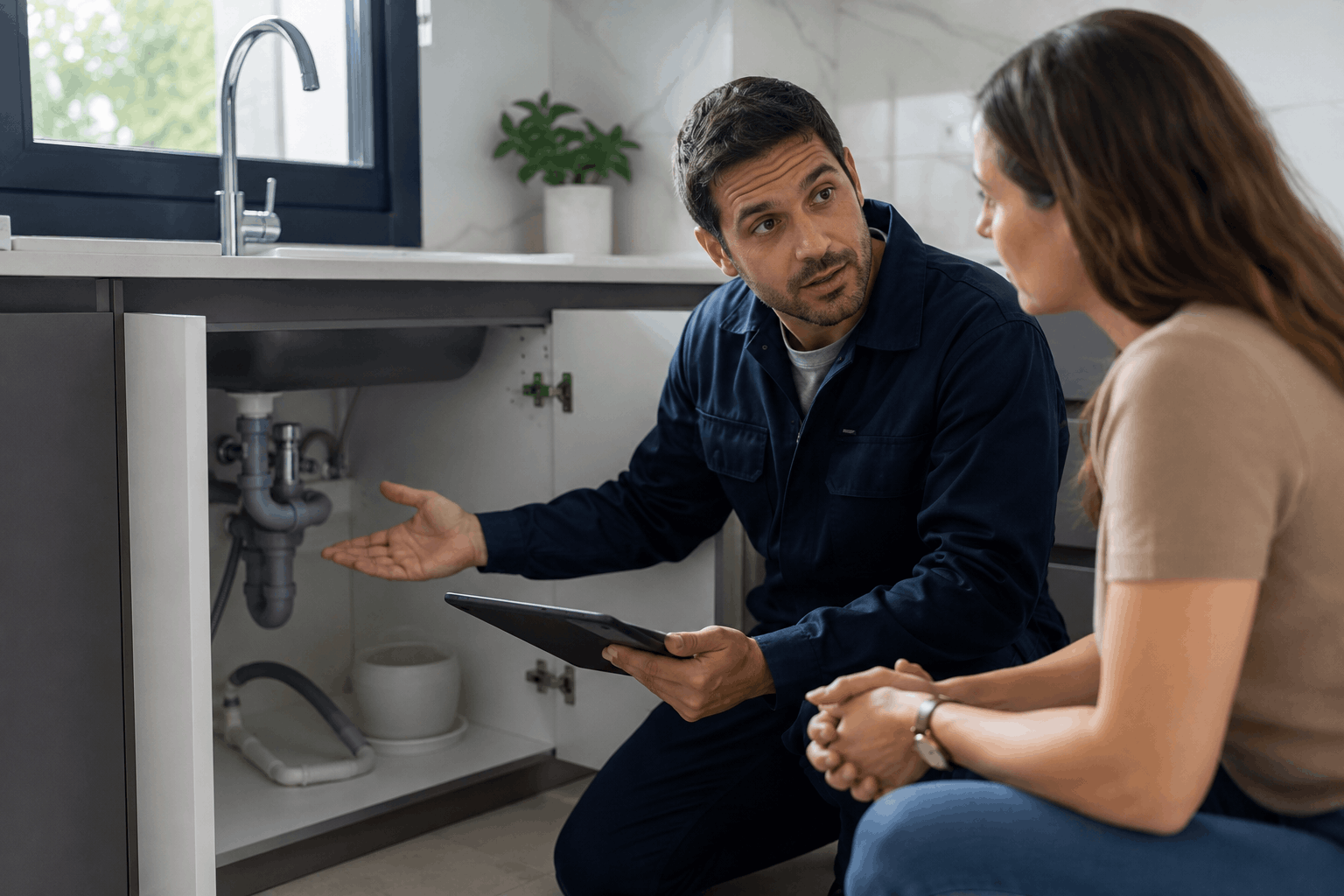
Create a clear reporting channel
Residents should know where to report an issue and what information to provide.
- Location and description of the issue.
- Photographs or video where safe and useful.
- When it began and whether use is affected.
- Immediate safety information and access availability.
Triage urgency and responsibility
Differentiate emergencies, urgent loss of service and routine maintenance before dispatching work.
- Protect people and the property first.
- Check whether a building, utility or insurance process applies.
- Clarify owner, resident or third-party responsibility with evidence.
- Avoid promising a final outcome before diagnosis.
Coordinate access and suppliers
Give the supplier a precise brief and ensure access, approval and resident communication are aligned.
- Scope and available evidence.
- Spending approval or diagnostic limit.
- Appointment confirmation and access owner.
- Completion evidence, invoice and any follow-up work.

Close and learn from the case
An incident is not closed when a supplier leaves. Confirm service restoration, communicate the outcome and record prevention actions.
- Resident confirmation or explanation.
- Final cost and responsibility record.
- Warranty or maintenance follow-up.
- Recurring-cause review and asset improvement action.
Rental incident checklist
- A single reporting channel is known.
- Urgency and safety have been classified.
- Evidence and access information are complete.
- Responsibility is being assessed, not assumed.
- Supplier scope and approvals are documented.
- Resident updates are timely and realistic.
- Completion and cost evidence are stored.
- Prevention or recurring issues are reviewed.
Questions about this decision
What qualifies as an emergency?
A situation involving immediate risk to people, significant property damage or essential safety generally requires emergency action. Exact protocols should be defined for the property.
Who pays for an incident?
Responsibility depends on cause, contract, law and evidence. Diagnosis should precede conclusions.
How often should residents be updated?
At each meaningful change: acknowledgement, appointment, diagnosis, delay, completion and any required follow-up.